It’s common for homeowners — and even agents — to feel a moment of sticker shock when they see a staging quote. Staging is temporary: furniture goes in, the home sells, and the furniture is removed.
So why does it cost more than people expect?
Because good staging isn’t about furniture. It’s about selling space, scale, and lifestyle— and that requires expertise, logistics, and inventory that go far beyond what most people imagine.
The biggest misconception is that staging is simply renting furniture. In reality, it’s a design‑driven marketing service rooted in buyer psychology.
Professional staging is engineered to make a home feel:
Larger
Brighter
More functional
More aspirational
That effect doesn’t come from “putting furniture in a room.” It comes from understanding scale, flow, sightlines, and how buyers emotionally read space.
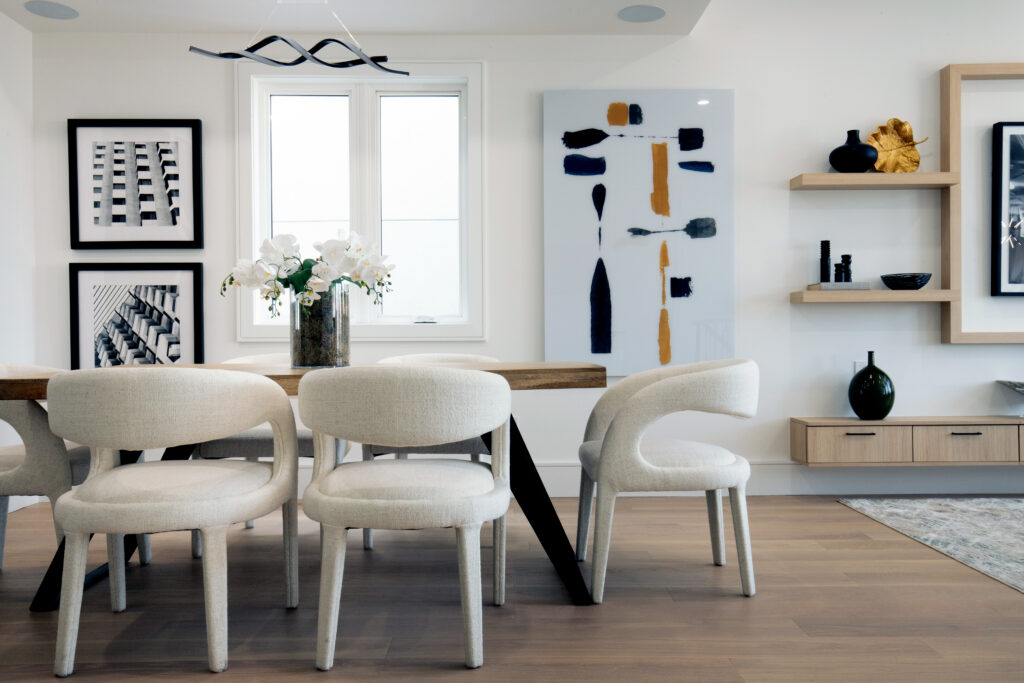
An area rug that’s too small, a sofa that feels oversized or visually heavy, or art that’s tiny and hung too high can make a room look low-end, smaller, and less curated than the home’s price point deserves. These missteps instantly downgrade perceived value.
Staging is the art of shaping perception — and that expertise is a major part of what you’re paying for.
2. “But I could buy the furniture for that price!”
One of the most misunderstood parts of staging is the cost comparison between renting and buying furniture.
If a homeowner tried to purchase everything used in a typical vacant staging, the cost difference would stun most people.
Stagers can charge less because they reuse inventory across dozens of homes. A homeowner can’t.
Even at the high end of staging fees, buying the same furnishings would typically cost 5-10 times more — and the homeowner is left with items they don’t need, can’t store, and may struggle to resell.
3. Staging eliminates the risk of furniture delays
Real estate timelines are tight. A delayed sofa can delay photos, which delays the listing, which delays momentum.
Anyone who has bought furniture recently knows delivery delays can stretch into months. Stagers avoid this entirely because they have access to immediate inventory that they can deploy quickly.
That reliability protects the listing timeline — and the sale price.
4. You’re paying for skilled professionals, not furniture jockeys
A staging fee includes far more than the furniture itself:
Design planning and space strategy
Inventory selection tailored to the home and target buyer
Logistics, trucking, and scheduling
A trained install team
De‑installation and removal
Storage, maintenance, and damage replacement of inventory
A full-home stage often involves a designer, a coordinator, warehouse staff, drivers, and an install crew — all working in sync. It’s a professional operation, not a moving job.
5. Staging happens fast — because it has to
Most stagings are completed in a single day. That level of speed requires military-grade logistics:
Pre‑pulled inventory
Pre‑planned layouts
Truck(s)
Experienced crews
Designers making real‑time adjustments
This isn’t slow, retail decorating. It’s a coordinated transformation designed to meet a listing deadline.
Speed costs money — but it also protects the seller’s bottom line.
6. Staging is about buyer psychology, not personal taste
Homeowners often ask why their own furniture can’t be used.
The answer is simple: sometimes you can but often personal furniture is chosen for comfort and lifestyle — not for scale, flow, and broad buyer appeal.
Stagers design for:
Neutral, aspirational palettes
Correct furniture scale
Clear room function
Emotional impact
Maximum perceived space
Staging is visual storytelling. It helps buyers imagine themselves living in the home — and that emotional connection drives stronger offers.
7. “But I Got a Quote for $3,000. Why Are You Charging $5,000?”
This is one of the most common (and reasonable) questions homeowners and agents ask — and the answer comes down to what you actually get for the money.
Not all stagings are created equal. A lower quote usually reflects compromises in two critical areas: a) the quality and quantity of furnishings, and b) the skill level of the design professional optimizing the home for sale.
a) Quality and Quantity of Furnishings
Lower-priced stagings typically rely on smaller inventories, lighter-weight furniture, and minimal accessories. The result can be a home that feels staged — but not transformed.
Common differences in budget stagings include:
Under-scaled sofas and chairs that make rooms feel smaller
Limited or no area rugs, which reduces warmth and visual grounding
Minimal artwork (or art that’s too small for the wall scale)
Sparse accessorizing that leaves rooms feeling unfinished
Reused, generic inventory that doesn’t respond to the architecture of the home
In contrast, higher-quality stagings are more likely to use properly scaled furniture, layered rugs, generous art, lighting, and accessories to create depth, richness, and emotional pull. Buyers don’t consciously count these elements — but they absolutely feel the difference.
b) The Skill of the Design Professional
Staging is not decorating. It’s merchandising for sale.
An experienced staging designer knows how to:
Correct awkward layouts
Emphasize strengths and minimize flaws
Use furniture scale to make rooms feel larger
Control sightlines from room to room
Create visual hierarchy that photographs beautifully
Design for the target buyer, not personal taste
Less expensive stagings are often executed by less experienced stagers. The home may look altered relative to its “before look”, but “altered” isn’t the bar you want to set when you’re trying to stop buyers in their tracks in a competitive market.
A $3,000 staging can make a room look different from before. A $5,000 staging can make a buyer want to live there.
8. The ROI Is Real and Measurable
Staged homes consistently:
Sell faster
Attract more showings
Receive stronger offers
Avoid price reductions
Even a 1–2% increase in sale price on a $1M home more than covers the cost of staging. Viewed correctly, staging is a marketing investment — not an expense.
Conclusion: Staging Costs What It Does Because It Works
When you hire a professional stager, you’re not paying for furniture. You’re paying for:
Expertise
Buyer psychology
Logistics
Speed
Inventory depth
Proven results
Could a homeowner do it themselves? Possibly.
Would it cost more, take longer, and produce a weaker result? Almost always.
In real estate, perception shapes value — and staging is the fastest, most reliable way to elevate value. •

“Why does staging cost so much?”
(The question on everyone’s lips)
It’s common for homeowners — and even agents — to feel a moment of sticker shock when they see a staging quote. Staging is temporary: furniture goes in, the home sells, and the furniture is removed.
So why does it cost more than people expect?
Because good staging isn’t about furniture. It’s about selling space, scale, and lifestyle— and that requires expertise, logistics, and inventory that go far beyond what most people imagine.
1. Staging isn’t furniture rental. It’s strategic marketing.
The biggest misconception is that staging is simply renting furniture. In reality, it’s a design‑driven marketing service rooted in buyer psychology.
Professional staging is engineered to make a home feel:
That effect doesn’t come from “putting furniture in a room.” It comes from understanding scale, flow, sightlines, and how buyers emotionally read space.
An area rug that’s too small, a sofa that feels oversized or visually heavy, or art that’s tiny and hung too high can make a room look low-end, smaller, and less curated than the home’s price point deserves. These missteps instantly downgrade perceived value.
Staging is the art of shaping perception — and that expertise is a major part of what you’re paying for.
2. “But I could buy the furniture for that price!”
One of the most misunderstood parts of staging is the cost comparison between renting and buying furniture.
If a homeowner tried to purchase everything used in a typical vacant staging, the cost difference would stun most people.
Stagers can charge less because they reuse inventory across dozens of homes. A homeowner can’t.
Typical 4 Room Staging (Living, Dining, Primary Bedroom, Office/Den)
Cost Comparison: Staging vs Buying Furniture
(3 months)
Even at the high end of staging fees, buying the same furnishings would typically cost 5-10 times more — and the homeowner is left with items they don’t need, can’t store, and may struggle to resell.
3. Staging eliminates the risk of furniture delays
Real estate timelines are tight. A delayed sofa can delay photos, which delays the listing, which delays momentum.
Anyone who has bought furniture recently knows delivery delays can stretch into months.
Stagers avoid this entirely because they have access to immediate inventory that they can deploy quickly.
That reliability protects the listing timeline — and the sale price.
4. You’re paying for skilled professionals, not furniture jockeys
A staging fee includes far more than the furniture itself:
A full-home stage often involves a designer, a coordinator, warehouse staff, drivers, and an install crew — all working in sync. It’s a professional operation, not a moving job.
5. Staging happens fast — because it has to
Most stagings are completed in a single day. That level of speed requires military-grade logistics:
This isn’t slow, retail decorating. It’s a coordinated transformation designed to meet a listing deadline.
Speed costs money — but it also protects the seller’s bottom line.
6. Staging is about buyer psychology, not personal taste
Homeowners often ask why their own furniture can’t be used.
The answer is simple: sometimes you can but often personal furniture is chosen for comfort and lifestyle — not for scale, flow, and broad buyer appeal.
Stagers design for:
Staging is visual storytelling. It helps buyers imagine themselves living in the home — and that emotional connection drives stronger offers.
7. “But I Got a Quote for $3,000. Why Are You Charging $5,000?”
This is one of the most common (and reasonable) questions homeowners and agents ask — and the answer comes down to what you actually get for the money.
Not all stagings are created equal. A lower quote usually reflects compromises in two critical areas: a) the quality and quantity of furnishings, and b) the skill level of the design professional optimizing the home for sale.
a) Quality and Quantity of Furnishings
Lower-priced stagings typically rely on smaller inventories, lighter-weight furniture, and minimal accessories. The result can be a home that feels staged — but not transformed.
Common differences in budget stagings include:
In contrast, higher-quality stagings are more likely to use properly scaled furniture, layered rugs, generous art, lighting, and accessories to create depth, richness, and emotional pull. Buyers don’t consciously count these elements — but they absolutely feel the difference.
b) The Skill of the Design Professional
Staging is not decorating. It’s merchandising for sale.
An experienced staging designer knows how to:
Less expensive stagings are often executed by less experienced stagers. The home may look altered relative to its “before look”, but “altered” isn’t the bar you want to set when you’re trying to stop buyers in their tracks in a competitive market.
A $3,000 staging can make a room look different from before. A $5,000 staging can make a buyer want to live there.
8. The ROI Is Real and Measurable
Staged homes consistently:
Even a 1–2% increase in sale price on a $1M home more than covers the cost of staging. Viewed correctly, staging is a marketing investment — not an expense.
Conclusion: Staging Costs What It Does Because It Works
When you hire a professional stager, you’re not paying for furniture. You’re paying for:
Could a homeowner do it themselves? Possibly.
Would it cost more, take longer, and produce a weaker result? Almost always.
In real estate, perception shapes value — and staging is the fastest, most reliable way to elevate value. •
Things you can do next…
Review our new Concierge Service
Explore our new Before/After Showcase
Catch-up on the art of staging
Get inspired by some beautiful rooms